Therapy for boundaries & people-pleasing.
Saying yes to everyone else has been costing you yourself.
Does this sound familiar?
You say yes when you mean no. You apologize for things that aren’t your fault. You bend yourself into uncomfortable shapes to keep the peace, and then wonder why you feel so resentful, so exhausted, so lost.

People-pleasing rarely looks like…
…weakness from the outside. It often looks like being the most dependable and the strongest person in the room.
Underneath that is often a common fear…
…that if you stop being so agreeable, accommodating, or endlessly available, people will leave, withdraw their love, or decide you’re too much.
For many of the women I work with…
…boundaries (at first) seem impossible to implement in their lives. However, learning to hold them is one of the hardest, but also, one of the most transformative things a woman can do.
You might be here because…
You struggle to say no without guilt, explanation, or over-apologizing.
You prioritize everyone’s comfort over your own needs almost automatically.
Conflict feels dangerous, and you’ll do almost anything to avoid it.
You give a lot in your relationships and often feel like you receive far less in return.
You’ve lost track of what you actually want because you’ve spent so long focused on what others need
You’re exhausted and a part of you knows something has to change.
In our work together…
…we’ll get to the root of where people-pleasing began for you (Hint: It typically starts from childhood.). Understanding that doesn’t place the blame on others; it gives you freedom.
From there, we’ll do the practical and emotional work of building your capacity to hold boundaries: identifying what your values actually are, learning to tolerate the discomfort of disappointing people, and developing the language and confidence to communicate your needs clearly and without apology.

The Methods Behind The Work
-
People-pleasing is powered by beliefs that often live just below the surface: “If I say no, they'll leave.” “My needs are too much.” or “I'm only valuable when I'm useful.”
CBT helps bring those beliefs into the light so we can look at them honestly.
Once you can see the thought pattern clearly, you can start to question it, and practice responding differently, one small moment at a time.
-
Your body usually knows you're about to override your own needs before your mind admits it.
That flutter in your stomach when someone asks you for something you don't have the capacity to give. The way you hold your breath before saying yes to something you mean to say no to.
Somatic work helps you learn to read those signals and take them seriously, so that your body’s cues become an ally instead of something you push past.
-
People-pleasing almost never starts in adulthood.
It usually starts as a child learning what it took to feel safe, loved, or accepted in their family system.
Attachment-based therapy helps us understand the original logic of that strategy (it made sense then, even if it's costing you now) and begin to build a more secure relationship with yourself, one where your worth isn't contingent on everyone else's comfort.
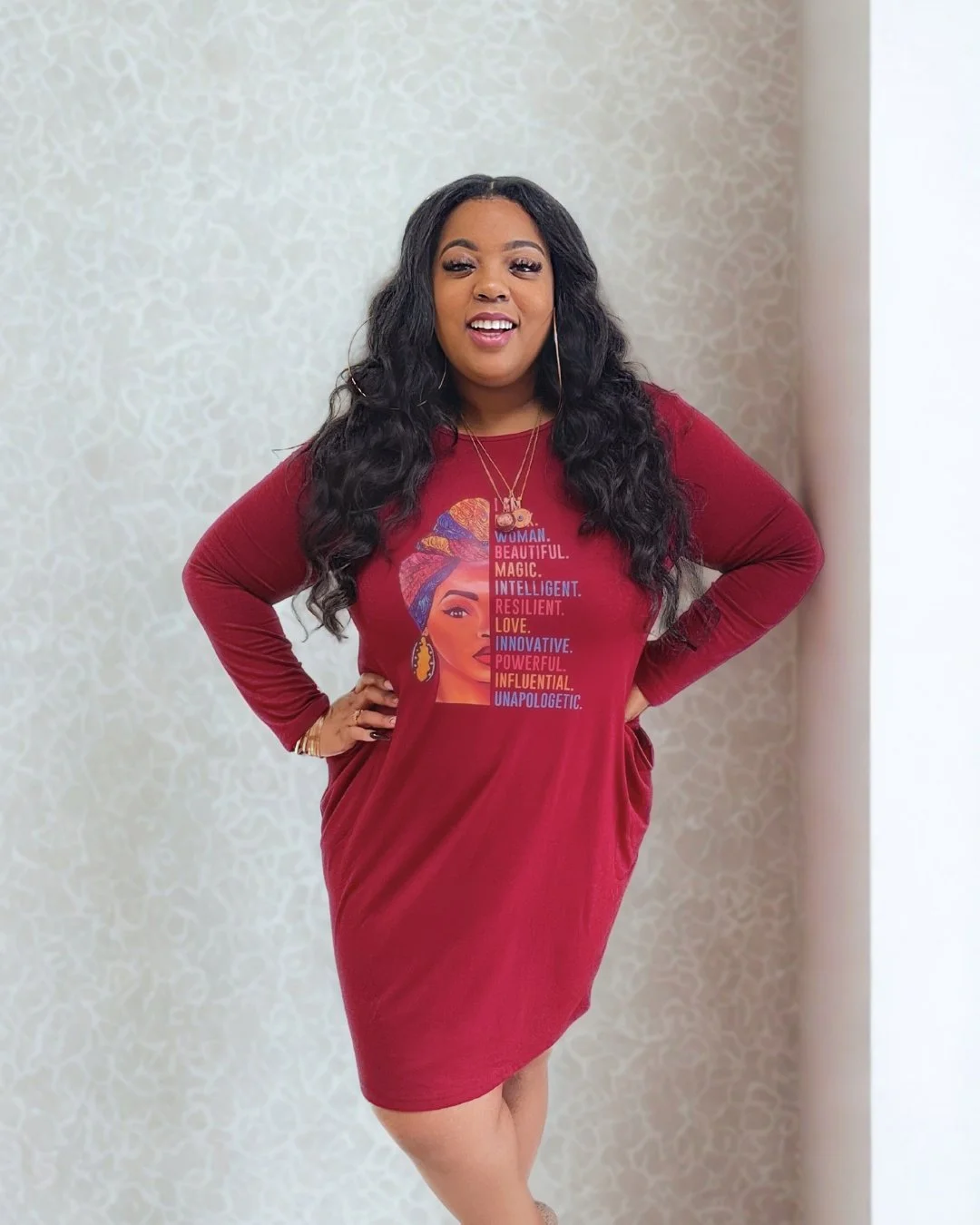
A note from Desiree.
This work is close to my heart because boundaries, and the fear of holding them, is something I've had to learn, not just study. Understanding the difference between keeping the peace and losing yourself is a lesson that takes time, courage, and usually some good support.
What I've found, both personally and clinically, is that people-pleasing is almost never about weakness. It's more so about wisdom, a strategy that made sense in a context where it once kept you safe. My job isn't to judge how you got here. It's to help you figure out where you want to go from here.
I'm a therapist with training in attachment-based and trauma-informed care, and I bring a warm, direct therapeutic style to this work. I'll be honest with you, I'll hold space for you, and I'll challenge you with love, and always with your growth in mind.